
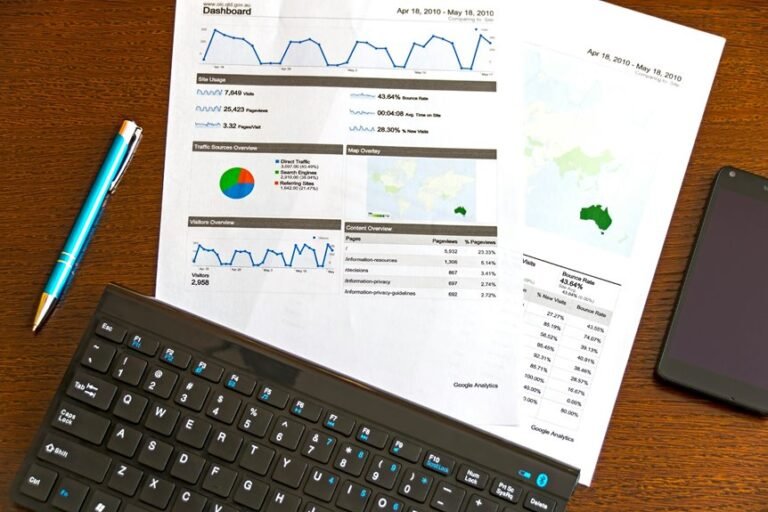
The Strategic Insights Dashboard presents an analytical framework centered around the metrics of 917613760, 120947120, 915907117, 88224191, 913349720, and 120968924. It serves to visualize critical data, enabling stakeholders to monitor performance and uncover trends. By assessing these insights, organizations can identify potential growth avenues and formulate data-driven strategies. This analytical approach raises pertinent questions about resource allocation and innovation pathways. What specific insights can be gained from these metrics?
Overview of Key Metrics
The Overview of Key Metrics serves as a foundational element in understanding organizational performance.
It provides a metric breakdown that highlights key performance indicators essential for assessing efficiency and effectiveness.
By examining these metrics, organizations can identify areas for improvement and strategically allocate resources.
This analytical approach fosters accountability and empowers stakeholders to make informed decisions, ultimately enhancing operational freedom and organizational success.
Analyzing Trends and Patterns
While organizations may possess a wealth of data, effectively analyzing trends and patterns is crucial for transforming that data into actionable insights.
Trend forecasting and pattern recognition enable businesses to anticipate market shifts and consumer behavior. By systematically examining historical data, organizations can identify significant trends, facilitating informed decision-making and strategic planning that aligns with their objectives and fosters innovation.
Identifying Growth Opportunities
How can organizations effectively identify growth opportunities in an increasingly competitive landscape?
By employing rigorous market segmentation and thorough competitive analysis, businesses can uncover untapped customer demographics and emerging trends.
Understanding distinct market segments allows for tailored strategies, while competitive analysis provides insights into rivals’ strengths and weaknesses.
Together, these approaches facilitate informed decision-making, enabling organizations to strategically position themselves for sustainable growth.
Implementing Data-Driven Strategies
Leveraging data-driven strategies enables organizations to make informed decisions that enhance operational efficiency and market responsiveness.
By employing data visualization techniques, stakeholders can easily interpret complex datasets, facilitating quick insights.
Additionally, integrating predictive analytics empowers companies to forecast trends and behaviors, enabling proactive measures.
This dual approach not only optimizes resource allocation but also fosters a culture of innovation and adaptability in a competitive landscape.
Conclusion
In conclusion, the Strategic Insights Dashboard serves as a pivotal resource for organizations seeking to enhance their performance metrics. For instance, a hypothetical retail chain might utilize the dashboard to identify a declining sales trend in a specific region, prompting targeted marketing efforts that resulted in a 20% revenue increase within three months. This illustrates how data-driven strategies can effectively harness insights to drive growth, underscoring the dashboard’s role in fostering informed decision-making and operational excellence.