
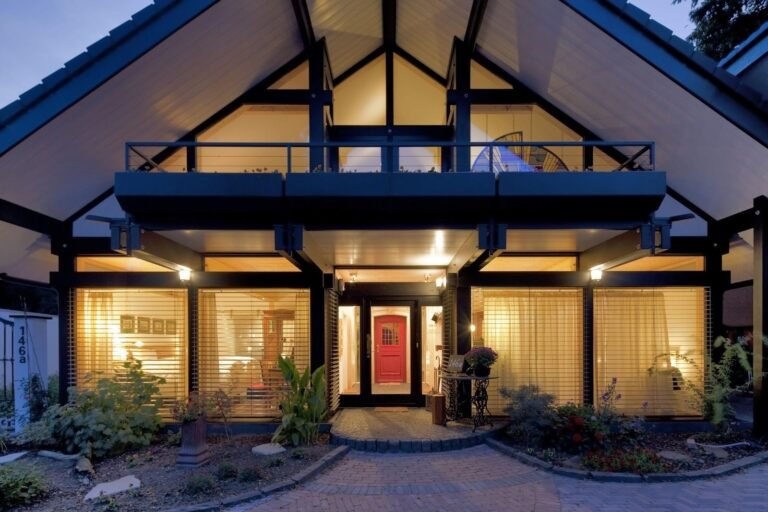
A well-built home does more than provide shelter—it adapts to changing conditions, maintains comfort, and holds its integrity over time. From shifting temperatures to seasonal weather extremes, modern homes must be designed with long-term performance in mind. Timber, with its natural resilience and versatility, continues to play a key role in meeting these expectations.
Yet, materials alone do not guarantee durability. The success of a structure depends on how thoughtfully those materials are used. Skilled builders understand how to combine timber with smart planning to create homes that perform reliably throughout the year.
Designing Homes That Respond to the Environment
Every region presents unique environmental challenges, whether it’s heavy snowfall, intense sunlight, or seasonal moisture changes. Designing a home that responds effectively to these factors requires careful planning from the outset.
Principles outlined in sustainable landscaping and garden design strategies demonstrate how outdoor elements can support overall home performance. These ideas extend beyond landscaping, influencing how structures are positioned, protected, and integrated with their surroundings.
By considering environmental factors early in the design process, builders can create homes that are better equipped to handle changing conditions.
Why Timber Works Well in Seasonal Climates
Natural Insulation Properties
Timber has inherent insulating qualities that help regulate indoor temperatures. This makes it an effective material for maintaining comfort in both warm and cold climates. Properly constructed timber homes can reduce reliance on artificial heating and cooling systems.
These properties contribute not only to comfort but also to energy efficiency, making timber a practical choice for modern construction.
Flexibility Under Changing Conditions
Unlike rigid materials, timber can adjust to slight movements caused by temperature fluctuations or moisture changes. This flexibility helps prevent structural damage and extends the lifespan of the building.
When used correctly, timber provides a balance of strength and adaptability that supports long-term performance.
Working with Builders Who Understand Timber Performance
The effectiveness of timber construction depends heavily on the expertise of the builders involved. Skilled professionals understand how to select, treat, and install wood in ways that maximize its strengths.
Partnering with experienced professionals such as Tar River ensures that timber is used with precision and care. Their approach focuses on aligning construction techniques with environmental demands, resulting in homes that are both durable and efficient.
This level of expertise helps prevent common issues and supports a smoother construction process from start to finish.
The Importance of Preventative Maintenance in Construction
Durability is not achieved through construction alone—it also depends on ongoing maintenance and inspection. Identifying potential issues early can prevent more serious problems in the future.
For example, seasonal checks such as those discussed in guides on pre-winter roof inspections highlight how proactive measures can protect a structure from harsh conditions. These practices are particularly important in timber construction, where moisture and weather exposure must be carefully managed.
By incorporating regular maintenance into the lifecycle of a home, builders and homeowners can extend the longevity of timber structures.
Integrating Outdoor and Indoor Design
Modern homes increasingly emphasize the connection between indoor and outdoor spaces. Timber plays a key role in this integration, offering a material that transitions naturally between the two environments.
Decks, pergolas, and exterior features can be designed to complement interior elements, creating a cohesive overall aesthetic. This approach enhances both functionality and visual appeal.
By considering how spaces interact with each other, builders can create homes that feel more connected and thoughtfully designed.
Reducing Long-Term Costs Through Smart Building Choices
Initial construction decisions have a lasting impact on maintenance costs and overall performance. Timber, when used effectively, can help reduce long-term expenses by offering durability and ease of repair.
Careful planning ensures that materials are used efficiently and that structures are built to withstand environmental challenges. This reduces the need for frequent repairs and replacements.
By focusing on long-term value rather than short-term savings, builders can create homes that remain cost-effective over time.
Adapting to Modern Expectations in Home Construction
Homeowners today expect more from their living spaces. Comfort, efficiency, and sustainability are no longer optional—they are essential. Timber construction aligns well with these expectations, offering a material that supports both performance and design.
Builders are responding by incorporating new techniques and technologies into their work. These advancements allow for greater precision and improved outcomes without compromising the natural qualities of timber.
This adaptability ensures that timber remains a relevant and valuable choice in modern construction.
See also: Exploring the Latest Breakthroughs in Artificial Intelligence
The Future of Timber Homes in a Changing Climate
As climate patterns continue to shift, the need for adaptable and resilient construction becomes increasingly important. Timber’s flexibility and renewable nature position it as a key material for future building solutions.
Advances in treatment methods and engineered wood products are expanding the possibilities for timber use. These developments allow builders to create structures that are both stronger and more efficient.
With the right expertise and planning, timber homes will continue to meet the evolving demands of modern living.
Conclusion
Building a home that stands the test of time requires a combination of thoughtful design, quality materials, and skilled execution. Timber offers a reliable foundation for achieving these goals, providing both structural strength and natural adaptability.
By working with experienced builders and focusing on long-term performance, homeowners can create spaces that remain comfortable, efficient, and durable through every season. Timber, guided by expert craftsmanship, continues to shape homes that are built to last.